


Milk Cooling with Ice Water Systems
How ice water (ice bank) systems cool raw milk quickly and safely, why they cut energy costs and what to consider when sizing one for a dairy.
Evanso Engineering Team
11/28/20263 min read
Why fast milk cooling matters
Raw milk leaves the animal at about 35–37 °C, the temperature at which bacteria multiply fastest. Cooling it to around 4 °C as soon as possible after milking protects quality, extends shelf life and helps meet the hygiene limits set by dairies and regulators.
How an ice water system works
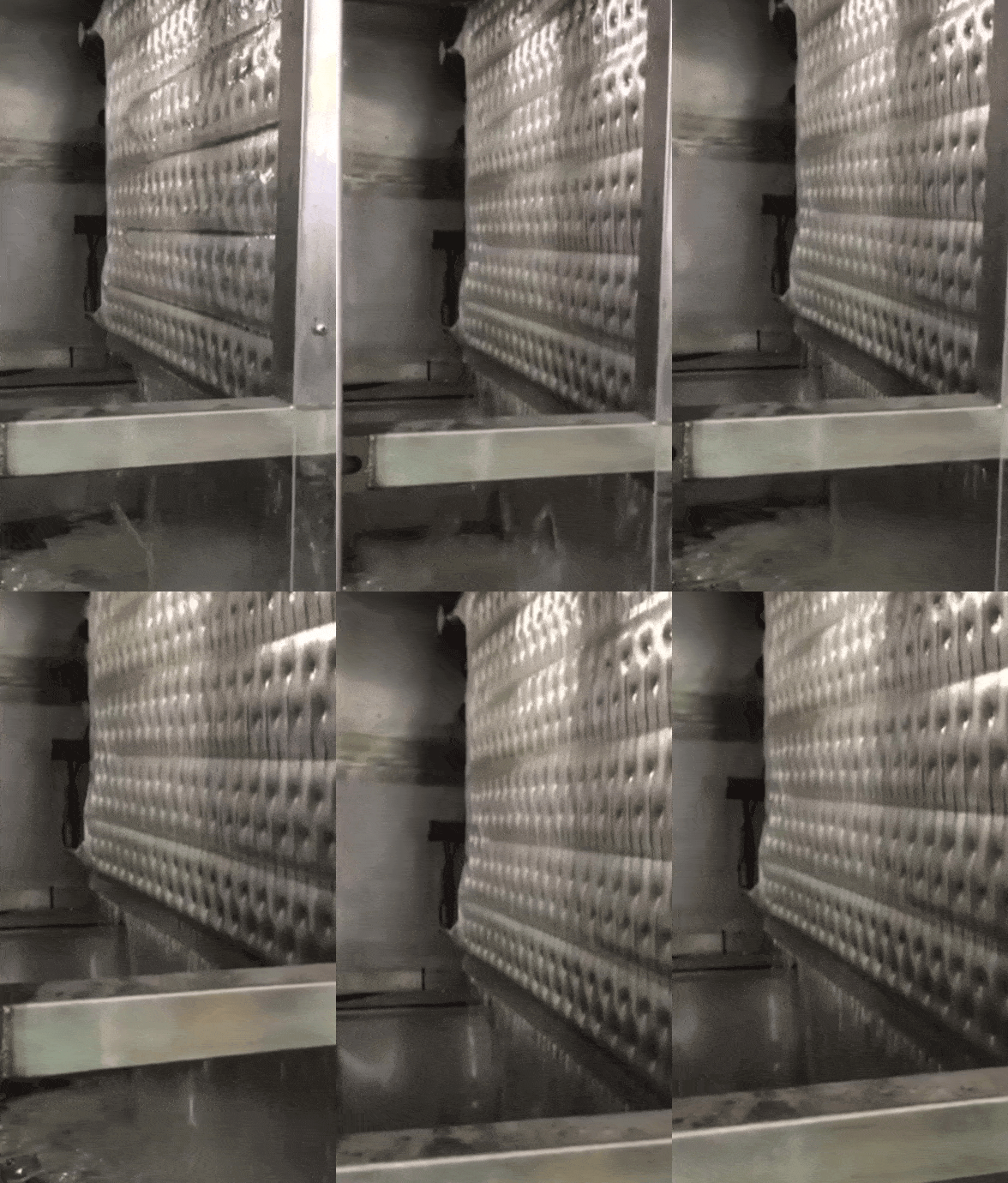
An ice water system (also called an ice bank) uses a relatively small refrigeration unit to build ice around coils in an insulated water tank over many hours. When milk arrives, water at about 0.5–2 °C is pumped from this tank through a plate heat exchanger or tank jacket, and the stored ice absorbs the peak heat load.
Very fast cooling during milking peaks without a large compressor
Ice can be built at night, when electricity is often cheaper
Stable, near-zero water temperature with no risk of freezing the milk
Reserve cooling capacity if power is interrupted for a short time
Sizing points to consider
Daily milk volume and how much arrives in the largest single milking
Milk inlet temperature and the target outlet temperature
Number of milkings per day and the time available to rebuild ice
Available electrical supply and local night tariffs
Whether pre-cooling with well water is possible to reduce the load
Typical applications
Ice water systems are used on farms, at milk collection centres and in dairy plants. The same principle also suits other processes that need large amounts of cold water for a short time, such as bakeries, beverage production and concrete batching.
Contact our engineering team with your daily volume and milking schedule, and we will propose a suitably sized ice water system.
Contact